Rome is a city with an extraordinary appeal for tourists, and the things to see are truly countless! A month wouldn’t be enough to take in everything, but unfortunately time is always limited. You’ll need to make some choices, perhaps opting for the main attractions during your first visit, and then returning to see the rest.
You could also decide to focus on a single type of attraction or historical period – for instance, dedicating yourself to the Vatican, or the archaeological remains of ancient Rome, or the baroque splendour of the centre, or perhaps the less-trodden routes through the city’s most authentic neighbourhoods. Museums, monuments, squares and streets: everything in Rome would merit a visit, but unfortunately it’s not that straightforward, especially as the city is truly vast and attractions are often far apart.
To plan your visit to the capital as best you can, here are the main things to see in Rome: pick your favourites based on your tastes and interests, and also their location relative to the centre or your accommodation.
St Peter’s Basilica
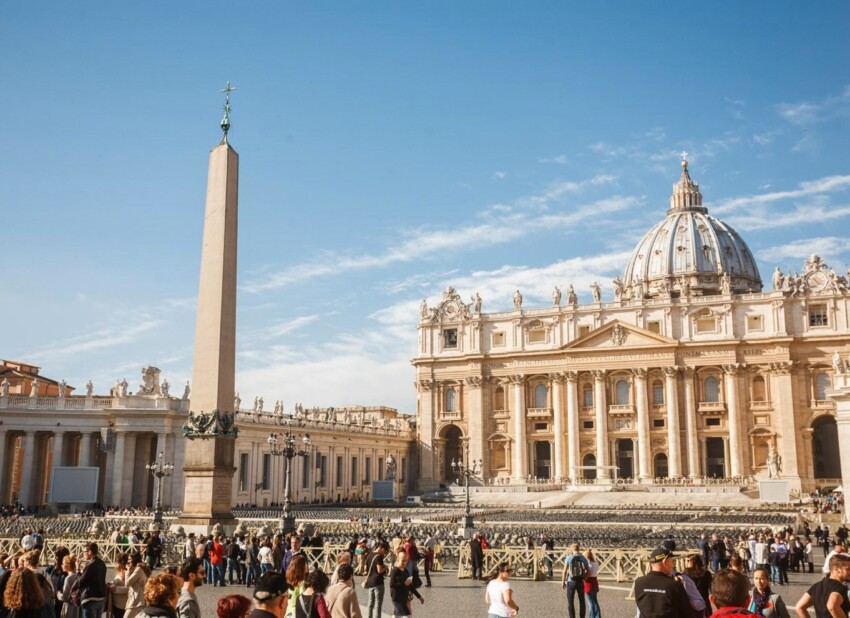
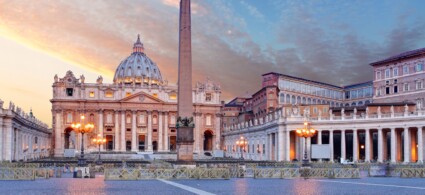
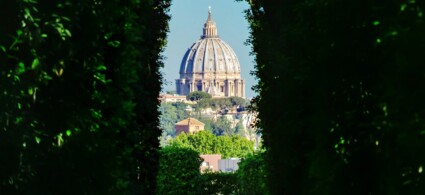
“Going to Rome and not seeing the Pope” has become a saying to mean not overlooking the most important things. This is why a visit to Rome cannot exclude the St Peter’s Basilica. Temple of Christianity, papal seat, symbol of the Vatican and papal authority, this immense basilica is a UNESCO World Heritage Site and one of the largest churches in the world. Entry is free, whilst visits with an audio guide or private tour are paid extra services. You can also decide to climb the dome, for a truly incredible view of Rome and its main monuments.
St Peter’s Basilica overlooks the magnificent St Peter’s Square, equally unmissable, with Bernini’s colonnade surrounding it almost completely. Dating from the 17th century, the colonnade is a perfect example of baroque architecture in Rome. Access to the square is free, but remember that you’ll need to go through security checks and consequently may find queues at the entrance.
Vatican Museums
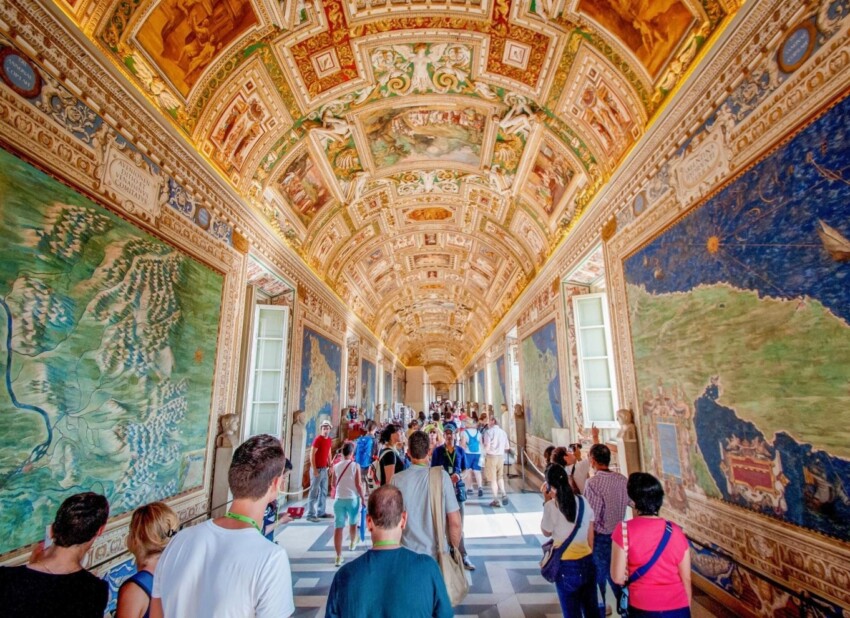
After your visit to St Peter’s Basilica, continue your Vatican tour by visiting the Vatican Museums, an enormous collection of museums that encompasses a large part of the tiny city-state’s territory.
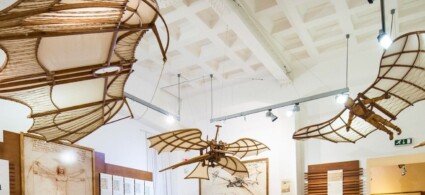
The Vatican Museums were established in 1506 thanks to Pope Julius II, and today they rank among the world’s most visited art collections. They house over 70,000 works by internationally renowned artists such as Raphael, Michelangelo and Leonardo da Vinci.
The museum route winds through various Vatican buildings, palaces and churches. You can visit, for example, the Vatican Pinacoteca, with works by artists such as Caravaggio and Giotto, or the modern religious art collection, comprising 55 rooms displaying 8,000 works in total.
Also worth visiting are the Gregorian Egyptian Museum, the missionary-ethnological museum, the Pio Christian museum, or the philatelic and numismatic museum. But there are many more museums to explore, so rich in content that two days wouldn’t be enough to see them all in detail. It’s almost certain you won’t have all this time available, so you’ll have to make a selection. But after your visit, spend some time exploring the Vatican Gardens, also part of the Museums, for a break from art surrounded by greenery.
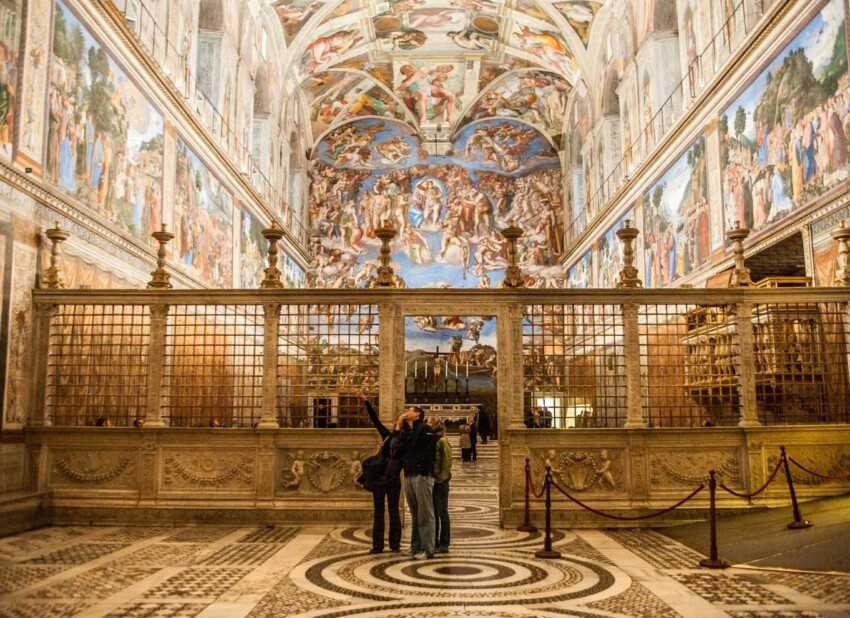
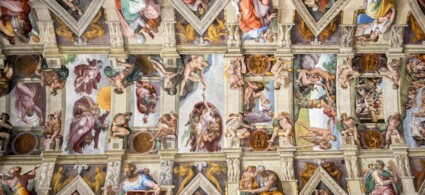
Among the most famous spaces in the Vatican Museums is the Sistine Chapel, which is so beautiful and important that it deserves a separate mention…
When Pope Sixtus IV (from whom the Sistine Chapel takes its name) decided to restructure the Capella Magna in the Vatican in the 15th century, he perhaps didn’t imagine it would become one of the world’s most visited religious buildings. The credit goes to Michelangelo, who frescoed the vault and the lunettes on the upper part of the walls. Among the numerous paintings, the Last Judgement is undoubtedly the most famous and iconic.
Alongside Michelangelo’s works are other beautiful paintings by Perugino and Ghirlandaio, and their workshops. Today for many, the Chapel is the most beautiful monument in Rome, but not everyone knows that the Pope’s official ceremonies and the conclave – the occasion when cardinals elect the new pontiff – are held within its walls.
Colosseum
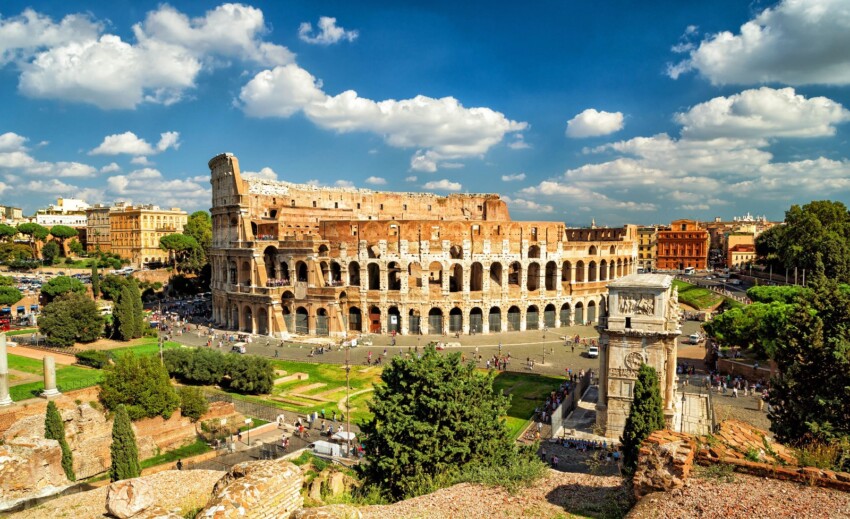
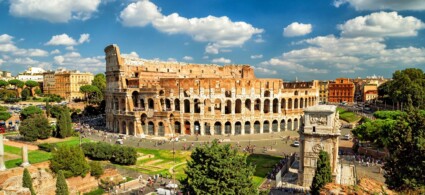
Everyone knows the Colosseum, a veritable postcard from ancient Rome that remains virtually intact to this day and is the undisputed symbol of the capital. The ancient Flavian Amphitheatre stands proudly south of the city centre, and is one of the most visited monuments in the city.
Well-known throughout the world, it is one of the 7 wonders of the modern world, and your visit will transport you back to the times of the gladiators, who clashed in the arena before tens of thousands of people. During your visit to the Colosseum you can travel back to 70 AD, the year construction began, by visiting the seating area, the belvedere terrace and the underground passages, which represent the area where artists and gladiators prepared for the spectacles.
The Colosseum, along with the Roman Forum and the Palatine, forms a single vast archaeological area, called the Colosseum Archaeological Park.
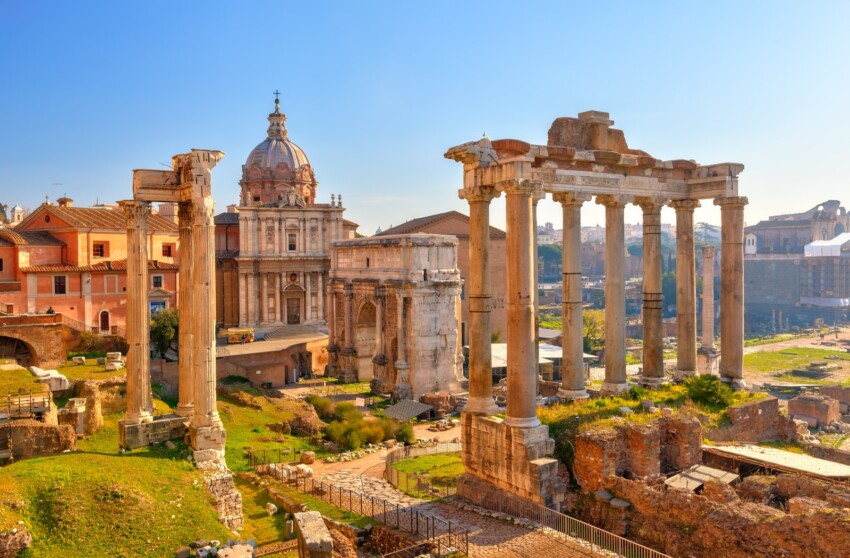
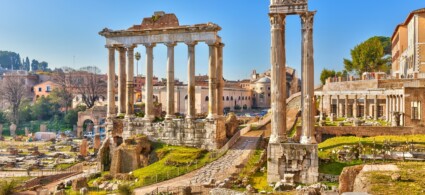
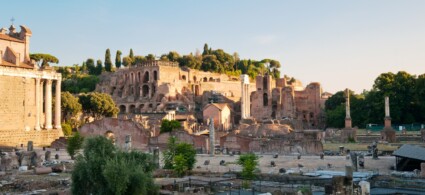
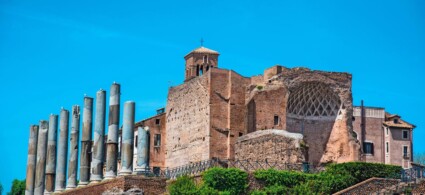
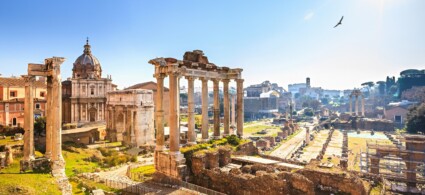
When Rome was at the height of its splendour, the area where the remains of the Roman Forum stand today was bustling with activity: it was indeed the centre of the city’s political, commercial and religious life, a hub of representation and extraordinarily rich in monuments, including some wonderful temples and the famous triumphal arches of Titus and Septimius Severus.
Many of the Roman Forum’s monuments are in excellent condition, and the visit route allows you to admire the Via Sacra up close, the main street of the area, which runs from the Colosseum to Piazza del Campidoglio. Visit the various temples, triumphal arches, the Basilica of Maxentius and the Column of Phoca, the last monument added to the Forum in 608 AD to celebrate the Eastern Roman emperor Phoca.
Palatine and Domus Aurea
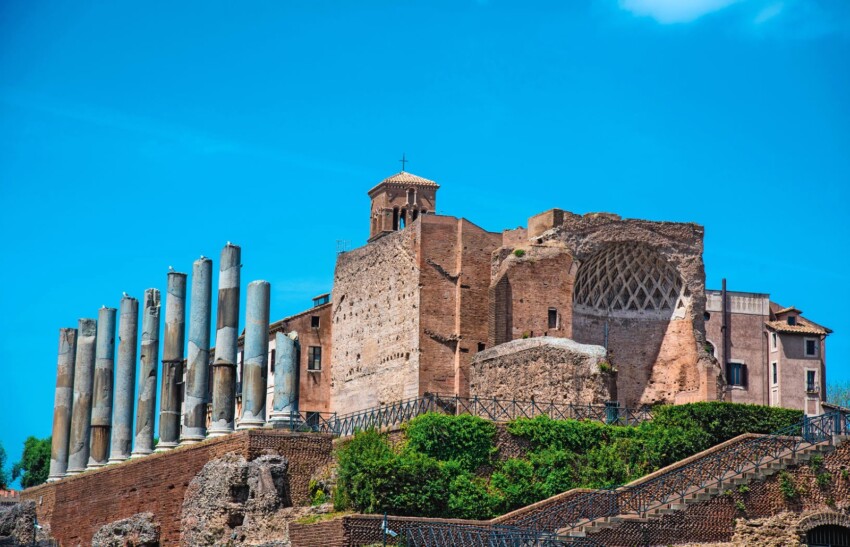
The last of the three areas that make up the Colosseum Archaeological Park is the Palatine, one of the seven hills of Rome. According to legend, it was here that the she-wolf suckled Romulus and Remus, and it was here that in antiquity the Roman aristocracy settled, with the construction of sumptuous palaces elegantly decorated with mosaics and frescoes, so much so that the Italian word “palazzo” (palace) is derived from the name of the hill itself.
The most interesting thing to see on the Palatine is the Domus Aurea, the ancient villa of the emperor Nero.
When in 64 AD a fire devastated much of Rome and the home of the then emperor Nero was destroyed, he decided to rebuild his residence on an unprecedented scale. Thus was born the Domus Aurea, a construction that was actually a genuine palace, extending over two of Rome’s seven hills, surrounded by woods and gardens, and containing within it statues, sumptuous decorations, marble, stuccos and works of art.
The height of luxury in the times of ancient Rome, in short. Nero, however, was not well-liked, so his successors tried to erase all traces of the Domus Aurea by completely burying it – naturally after removing all its treasures.
And it is precisely for this reason that the Domus Aurea, protected by the weight of two thousand years of turbulent history, has come down to us in perfect condition. Today, this historic building is one of the most interesting things to see in Rome, also because the visit route is highly interactive and multimedia, thanks also to the use of innovative technologies such as virtual reality.
Caracalla Baths
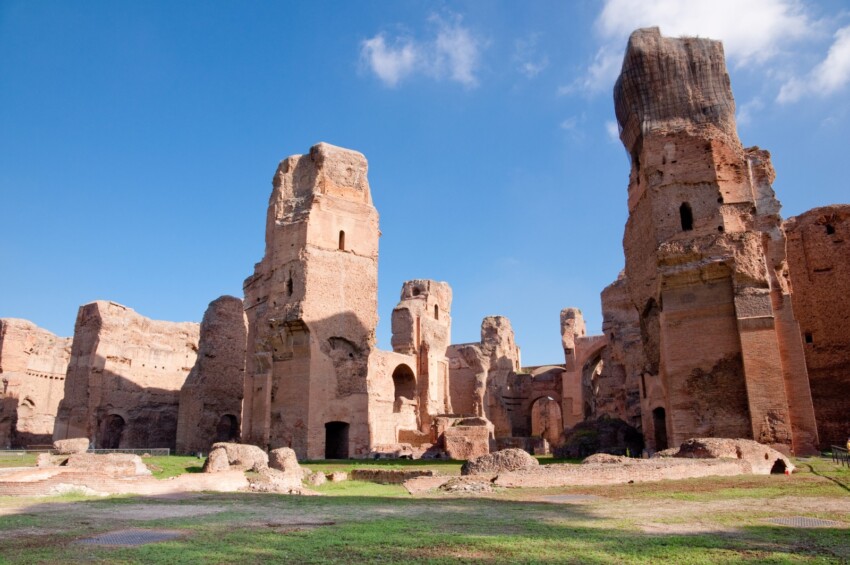
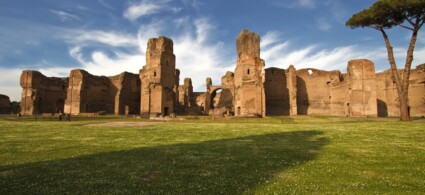
Caracalla, namely Marcus Aurelius Severus Antoninus Pius Augustus, was a famous emperor of ancient Rome who had the distinction of leaving the city an enormous thermal complex on the Aventine Hill, the celebrated Caracalla Baths. It represents one of the largest bathing facilities ever built by the ancient Romans, and visiting it allows you to step into the daily life of Rome’s inhabitants nearly two thousand years ago.
The route allows you to visit a series of areas dedicated to body care and health, with sections for hot water (calidarium), warm water (tepidarium), cold water (frigidarium) and a large pool, the so-called natatio.
Also interesting is the “behind the scenes” of Caracalla’s Baths, made up of the underground passages, which are also open to visitors. It is in this dense network of service areas, connected by galleries, that everything was made possible.
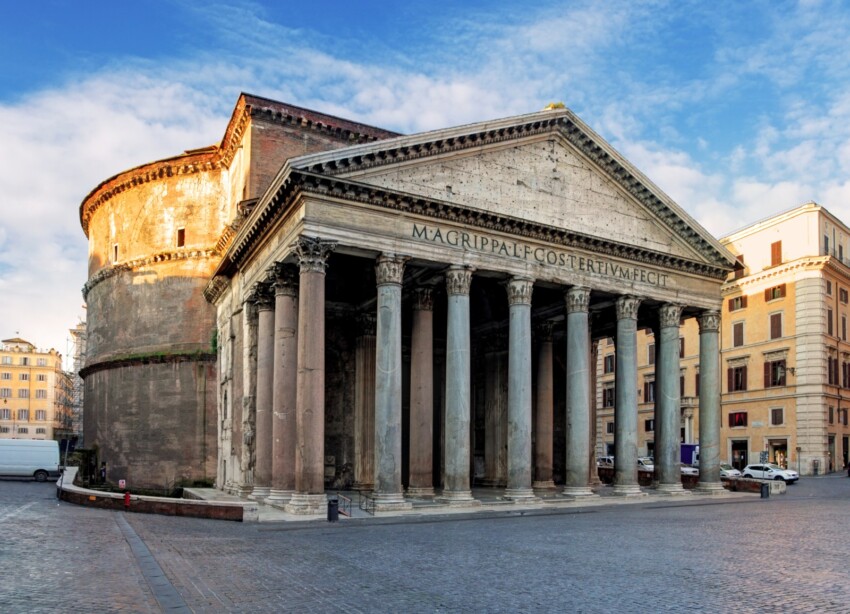
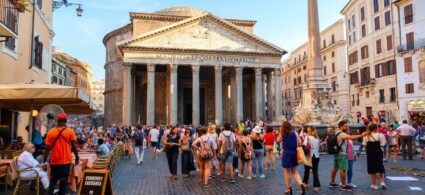
One of the most visited attractions in the capital, and certainly among the main things to see in Rome, is the Pantheon, built at the behest of Marcus Vipsanius Agrippa to honour all the gods (in Greek, pantheon means “temple of all gods”).
The Pantheon is a large circular structure topped by an enormous dome, the largest in the world. Its design had to overcome incredible difficulties due to its weight, over 5,000 tonnes, but fortunately it was executed successfully. The dome also features a large central opening through which sunlight filters, lending extra atmosphere to an environment that already has plenty.
Entry to the Pantheon is free, which makes it an essential stop on any Rome tour worth its salt.
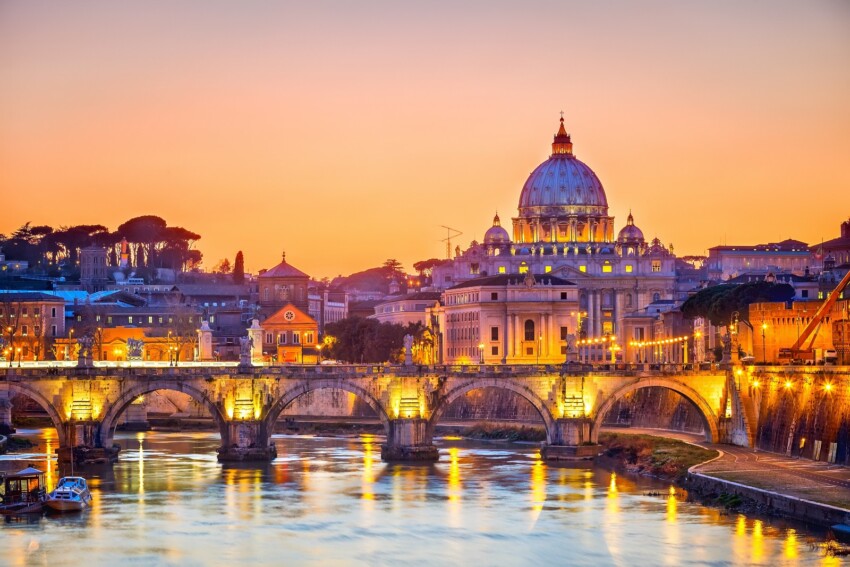
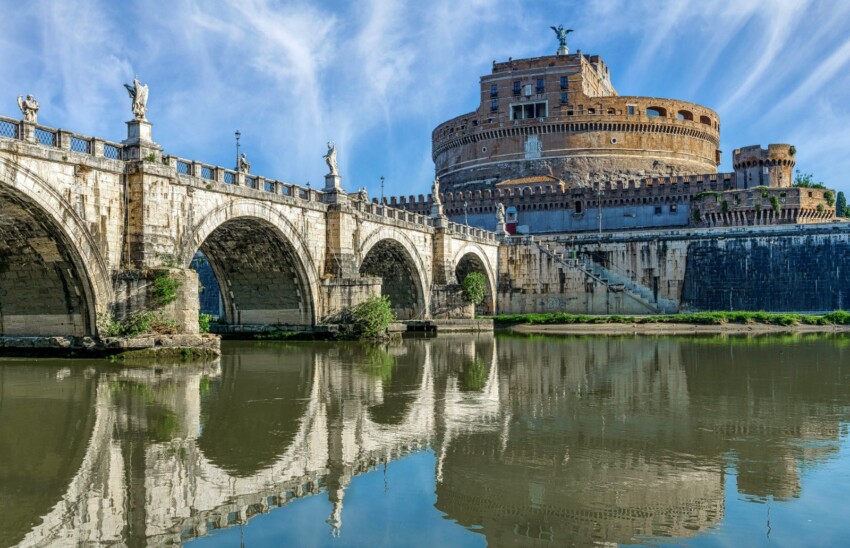
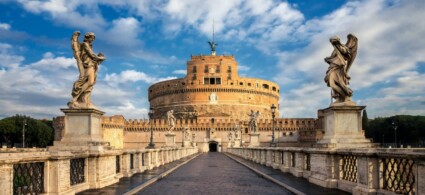
The massive profile of Castel Sant’Angelo is a true icon of Rome. It sits on the left bank of the Tiber, and you reach it by crossing the famous Sant’Angelo Bridge. Much visited and photographed, the castle is the ideal continuation of a Rome tour that starts from the Vatican, as it is a short distance from the Holy See.
Your visit to the castle begins at ground floor level and winds its way up to the panoramic terrace on the roof, where you can enjoy a beautiful view of the Tiber and Rome. Among historic dungeons, suits of armour, helmets and countless paintings and period furnishings, visiting Castel Sant’Angelo means taking a dip into Rome’s medieval past.
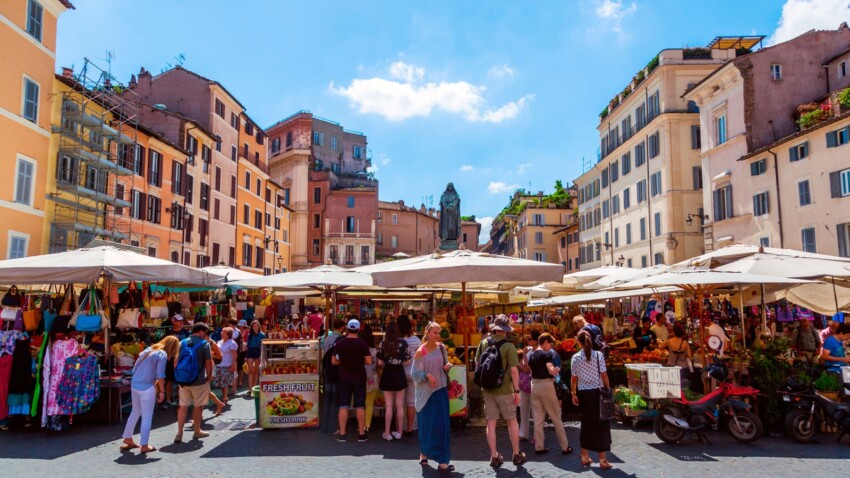
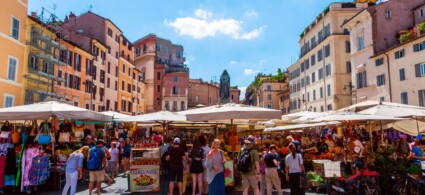
Forget for a moment the wonders of baroque Rome and the archaeological wealth of ancient Rome, and make your way to the border between the Parione and Regola districts, in the heart of the historic centre. Here you’ll find Campo dè Fiori, a square that takes your breath away not so much for its beauty – it’s nothing special, and Rome certainly has more beautiful squares – as for its incredible social function.
Campo dè Fiori indeed lives a double life: by day it is home to Rome’s most famous neighbourhood market, a genuine experience for all five senses, whilst at night it becomes the hub of the nightlife, overrun by Italian and foreign youngsters who party until dawn having a drink at one of the numerous bars that overlook it, or simply spending time outside.
Among the things to see in Rome, then, Campo dè Fiori should feature twice. Visit it both by day and by night, and you’ll fall in love with it!
Trastevere
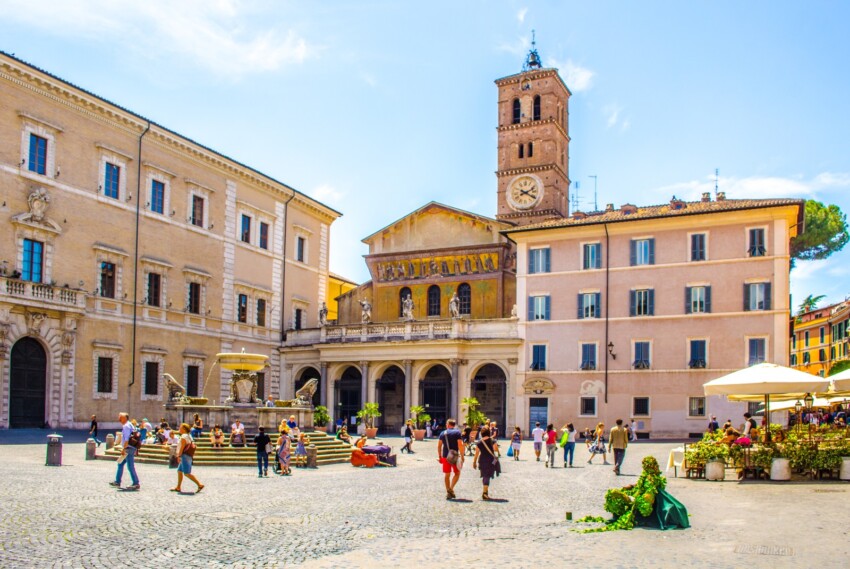
Ask any Roman which neighbourhood in the centre is the most authentic, and the answer will almost certainly be Trastevere. The district, whose name means “beyond the Tiber”, sits on the left bank of the river, notably the least touristy and least packed with attractions. But to overlook it would be a mistake, as it’s genuinely rich in things to see, and at the same time it will give you a taste of authentic Roman life away from the polished streets of the historic centre with their identical souvenir shops.
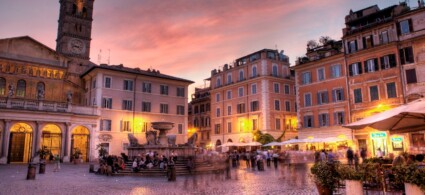
Trastevere is indeed a historic district of Rome, traditionally home to the working classes, though it’s now firmly back in favour. A godsend for tourists, who can enjoy services once completely absent, such as traditional restaurants, bars and – why not – some fine authentic craft shops, whilst also visiting some splendid monuments, buildings and museums, including Villa Farnesina, the Gianicolo panoramic terrace, the national galleries of ancient art, the botanical gardens and the Basilica of Santa Maria in Trastevere, which overlooks the piazza of the same name that forms the heart of the neighbourhood.
Villa Borghese
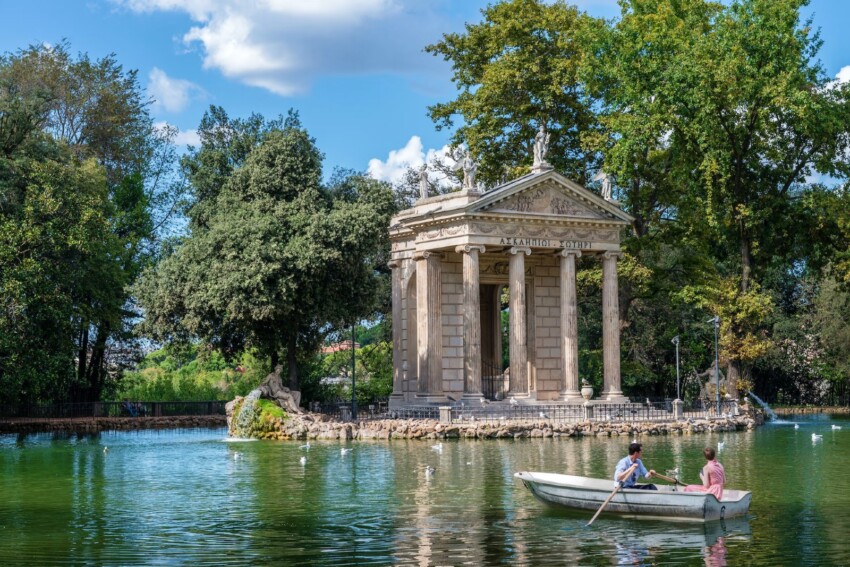
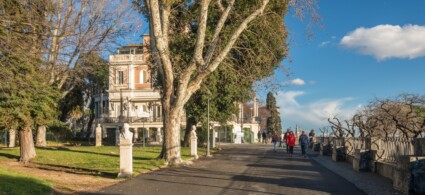
One of the biggest mistakes visitors make when in Rome is thinking that Villa Borghese is a villa. Nothing could be further from the truth: it’s actually an enormous garden, the city’s true green lung, stretching across 80 hectares north of the historic centre, easily reached from Piazza del Popolo.
At Villa Borghese you can wander aimlessly in the shade of ancient trees, or visit some fine museums and landmarks, including the National Gallery of Modern and Contemporary Art, the Civic Museum of Zoology, the Cinema House, the Gigi Proietti Globe Theatre and the Bioparco, which is simply the city zoo.
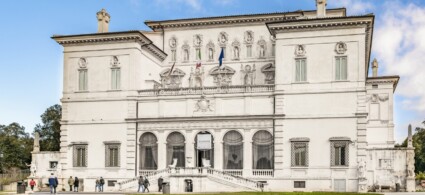
There is actually a villa in Villa Borghese: it’s called Villa Borghese Pinciana (perhaps the source of the confusion), and it houses the Borghese Gallery, a splendid art museum showcasing works by artists such as Raphael, Antonio Canova, Caravaggio and above all Gian Lorenzo Bernini: the museum houses the world’s largest collection of Bernini sculptures.
Piazza del Popolo
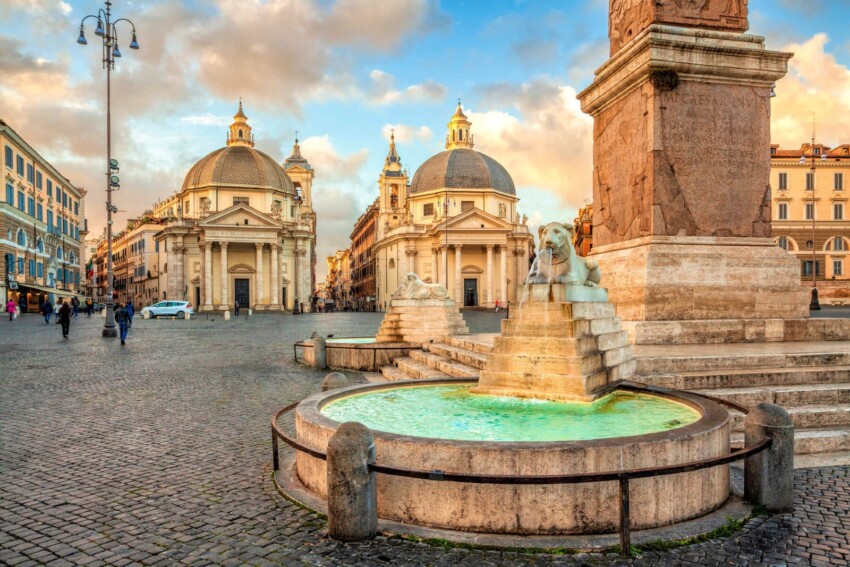
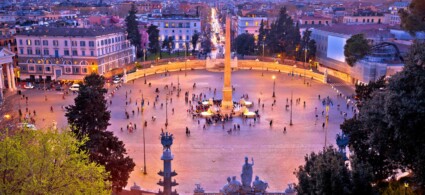
West of Villa Borghese lies the beautiful Piazza del Popolo, one of Rome’s most celebrated squares. We’re north of the historic centre and so in a position slightly away from the capital’s major attractions. But don’t be tempted to skip it, as it has several surprises in store!
First among these is the beautiful Pincio Terrace, a truly exceptional viewpoint that offers you a unique perspective on Rome. Visit at sunset and you’ll be astounded both by the beauty of the panorama and the romantic atmosphere, enhanced by the street musicians performing.
Beyond the Terrace, stop at the Porta del Popolo, then visit the three churches facing onto the square: they are the Basilica of Santa Maria del Popolo and the two twin churches of Santa Maria in Montesanto and Santa Maria dei Miracoli, built side by side with practically the same aesthetic.
Also evocative is the Flaminio Obelisk, which stands at the centre of Piazza del Popolo, along with the square’s three fountains: the Fountain of Goddess Rome, the Fountain of Neptune and the Fountain of the Lions.
Trevi Fountain
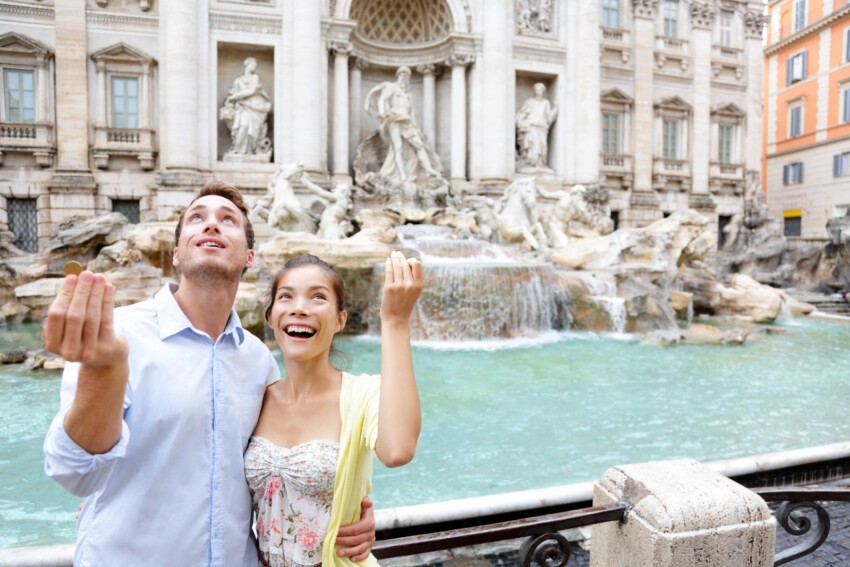
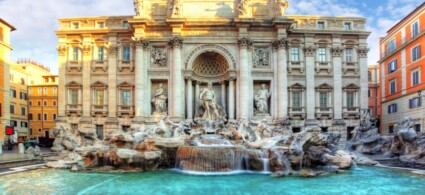
Among the masterpieces of Baroque Rome is certainly the Trevi Fountain, one of the city’s symbols. It’s right in the centre and one of the most visited monuments, always packed with tourists at any time of day or night. But you certainly can’t avoid seeing it, and perhaps throw a coin over your shoulder as you turn your back, as a good omen for a return to the city.
Given the huge crowds, try to visit Trevi Fountain at a suitable time, perhaps early in the morning or near dinnertime: you won’t be alone, but the amount of crowds around you will certainly be more manageable.
If you want to go further, after admiring the splendid fountain, explore its underground chambers, which run beneath much of the Trevi district. Here you’ll find an interesting archaeological area, which also includes the collection basin of the Aqua Vergine aqueduct, which feeds the fountain.
Piazza Navona
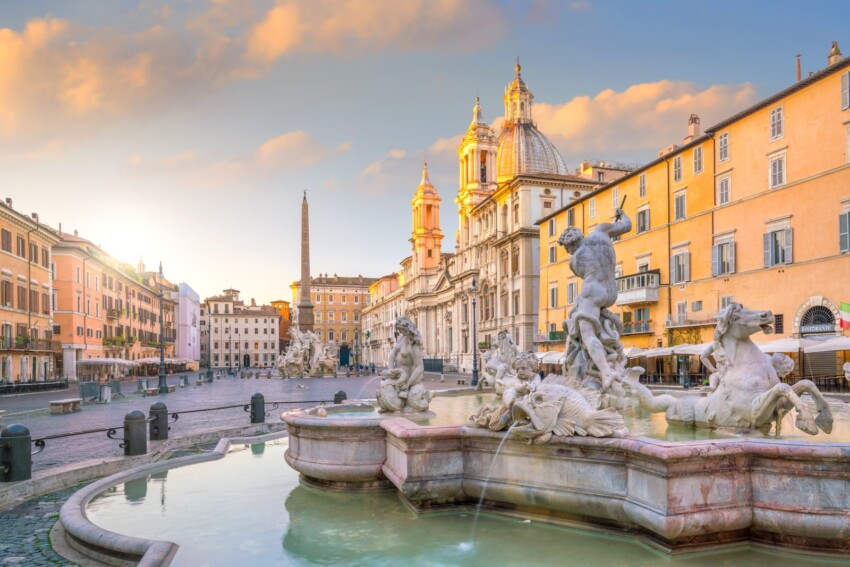
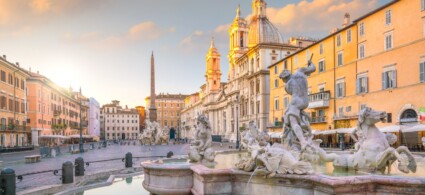
Among the best things to see in Rome when wandering the city without a specific destination are certainly its beautiful squares. Among these, one of the most famous and richest in monuments is certainly Piazza Navona, with its iconic elongated shape. It stands where Domitian’s Stadium once stood, and you can visit the archaeological remains of this ancient sports venue, which lie 5 metres below street level.
The archaeological area is very rich and interesting, but once you’ve returned to ground level, also explore today’s Piazza Navona, with its elegant palaces erected between the 17th and 18th centuries, and the Church of Sant’Agnese in Agone, the only religious building facing onto the square. Also striking is the Fountain of the Four Rivers, situated in the centre, and the two fountains of the Moor and of Neptune, on the north and south sides of the square.
It’s also worth visiting some museums housed in several of these palaces, such as the Museum of Rome and the Museum of Gladiators.
Piazza di Spagna
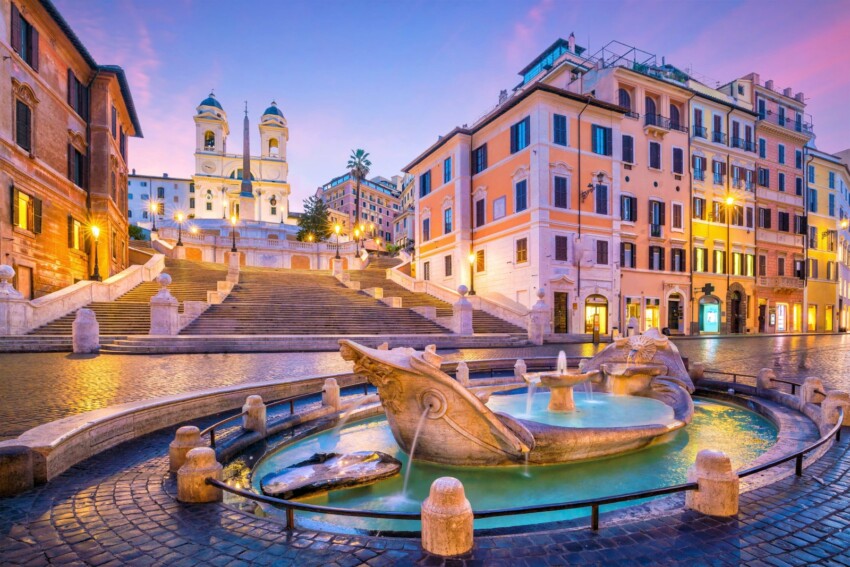
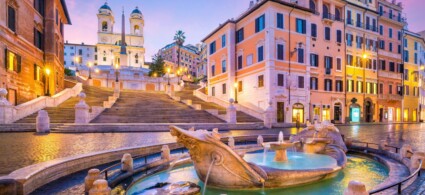
Among the most famous squares in Rome and – consequently – one of the must-see things in the city, is Piazza di Spagna. This historic square in the centre takes its name from the Spanish Embassy, and is famous for the magnificent Spanish Steps, which lead to the church of the same name, situated a few dozen metres higher.
The steps are one of Rome’s symbols, thronged with visitors day and night and immortalised in several films. At its foot is the Fountain of the Barcaccia, a masterpiece by Pietro Bernini and his son Gian Lorenzo. In Piazza di Spagna there are also two very interesting museums, though not among Rome’s most visited: they are the Giorgio De Chirico House-Museum and the Keats-Shelley Memorial House, dedicated to the two British poets.
From Piazza di Spagna begins Via Condotti, the city’s luxury shopping street, with all the boutiques of the major fashion and beauty brands, and historic cafés.
Catacombs
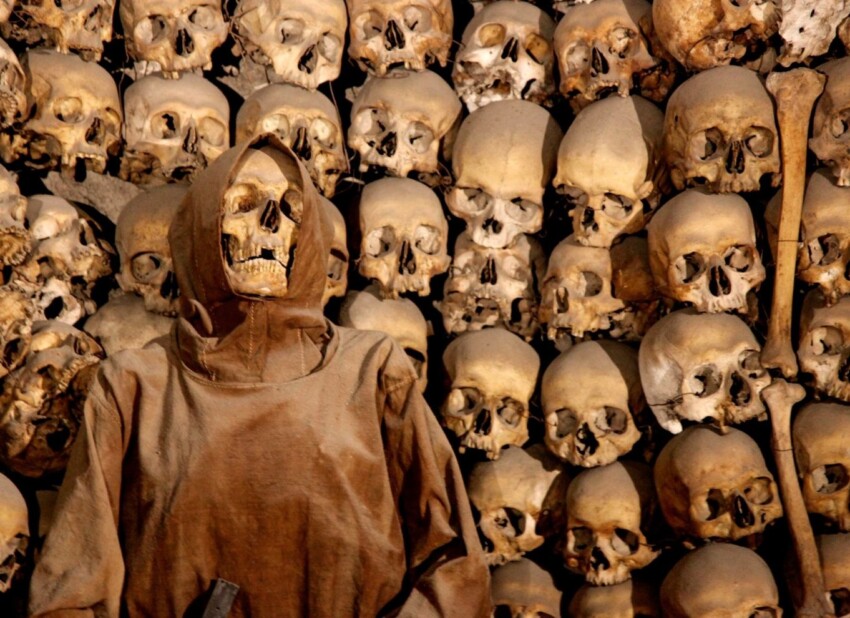
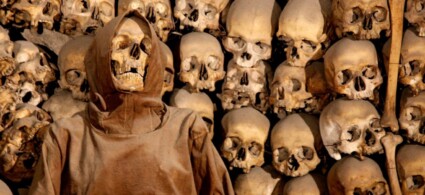
Rome has countless catacombs, ancient underground burial areas created by both the Christian and Jewish communities. Essentially Rome’s catacombs, scattered throughout the city, are underground galleries dedicated to the burial of bodies. Some smaller, some larger, there are altogether over 50 and they form a (non-connected) network of more than 150 kilometres of galleries.
Some of Rome’s catacombs are closed to the public and open only to scholars, whilst others are regularly open to visitors. Among these, the most important are the Catacombs of San Callisto, which contain 9 popes and 8 bishops, the Catacombs of Domitilla, both Christian and pagan, and the Catacombs of Saints Marcellinus and Peter, dating from the first years after Christ’s death, which extend over 18,000 square metres and are estimated to have accommodated over 15,000 burials in the 3rd century alone.
Altar of the Fatherland
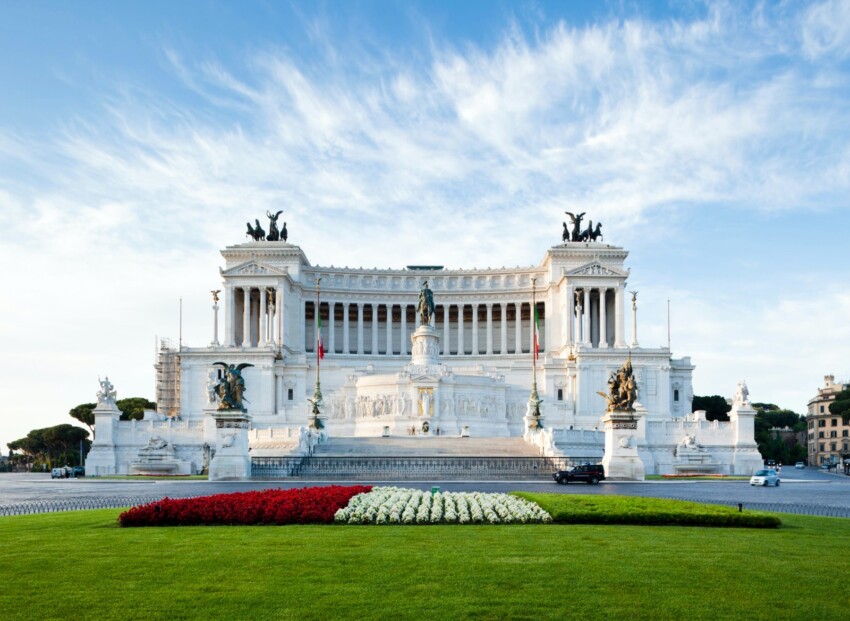
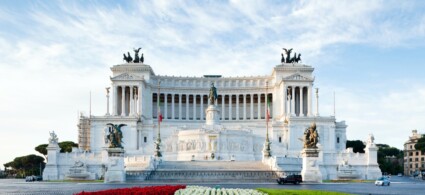
In Piazza Venezia, just outside Rome’s historic centre, stands a wonderful monument, one of the city’s most important things to see. It’s the Altar of the Fatherland, also known by its official name the Vittoriano, inaugurated in 1911 for the 50th anniversary of Italian unification.
Its significance is twofold: on the one hand it represents liberation from foreign rule achieved by former King of Italy Victor Emmanuel II of Savoy, on the other it is a memorial and tribute to those who lost their lives during the First World War, with the Tomb of the Unknown Soldier and the two braziers with flames burning perpetually, representing a memory that remains forever alive, despite the passage of time.
In front of the monument stands the equestrian statue of Victor Emmanuel II, a work by Enrico Chiaradia, the architectural centre of the entire Vittoriano. The complex also includes some exhibition spaces, including the Central Museum of the Risorgimento and the Flag Sacrarium.
Discover Rome through the eyes of expert guides who will take you on a tour of the city's hidden treasures. Participating in a guided visit or a free tour will allow you to capture the true essence of Rome.
The free tours are a viable alternative to traditional guided tours. They work like this: participation is free and at the end of the visit you can leave a tip at your discretion. Below you will find our favourite free tour, otherwise you can see the full list by visiting this page.



 Hotel
Hotel  Budget accommodations
  Apartments
  Family Hotel
  Luxury Hotel
  Resorts